
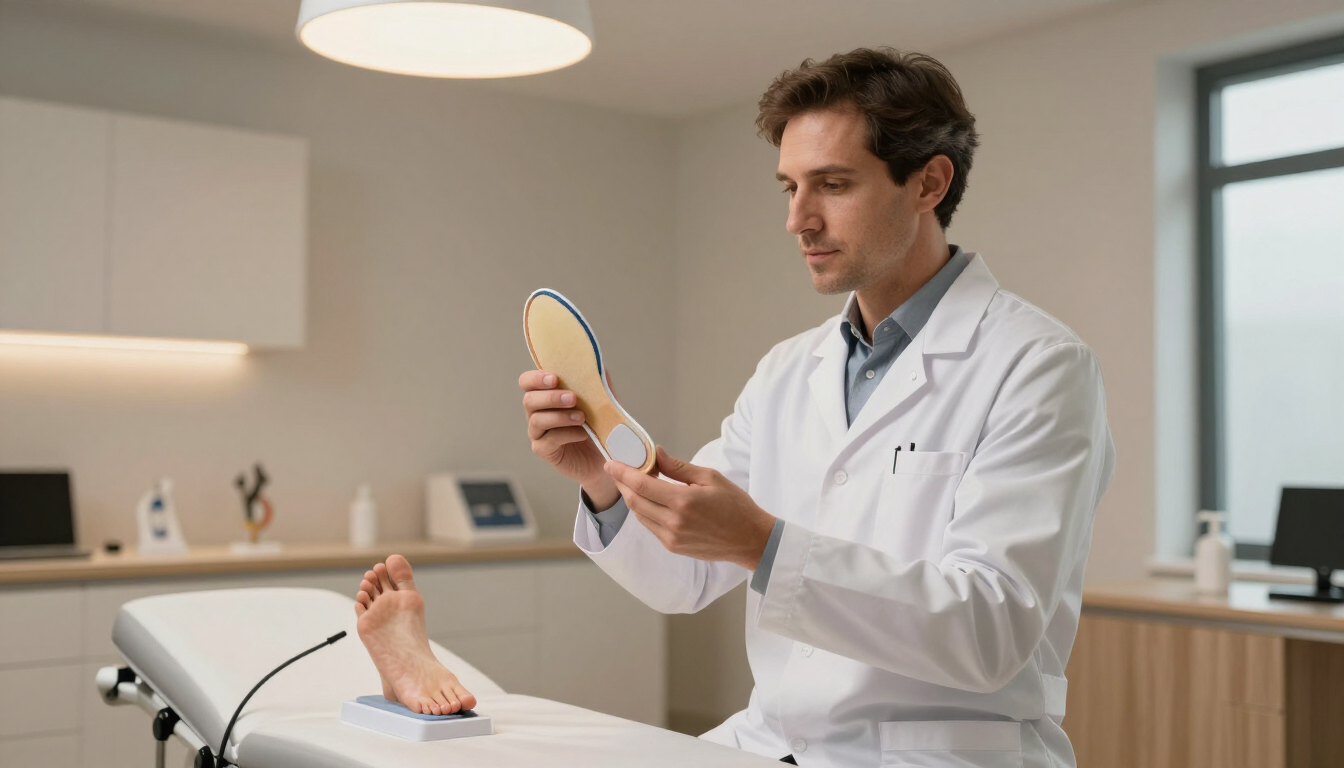
How Sports Medicine in Podiatry Helps You Recover

October 12, 2026

Sports medicine in podiatry helps athletes and active adults recover from foot and ankle injuries through accurate diagnosis, personalized treatment, rehabilitation, and prevention. A podiatrist can identify the source of pain, reduce symptoms, restore strength and mobility, and create a safe plan for returning to work, exercise, or competition.

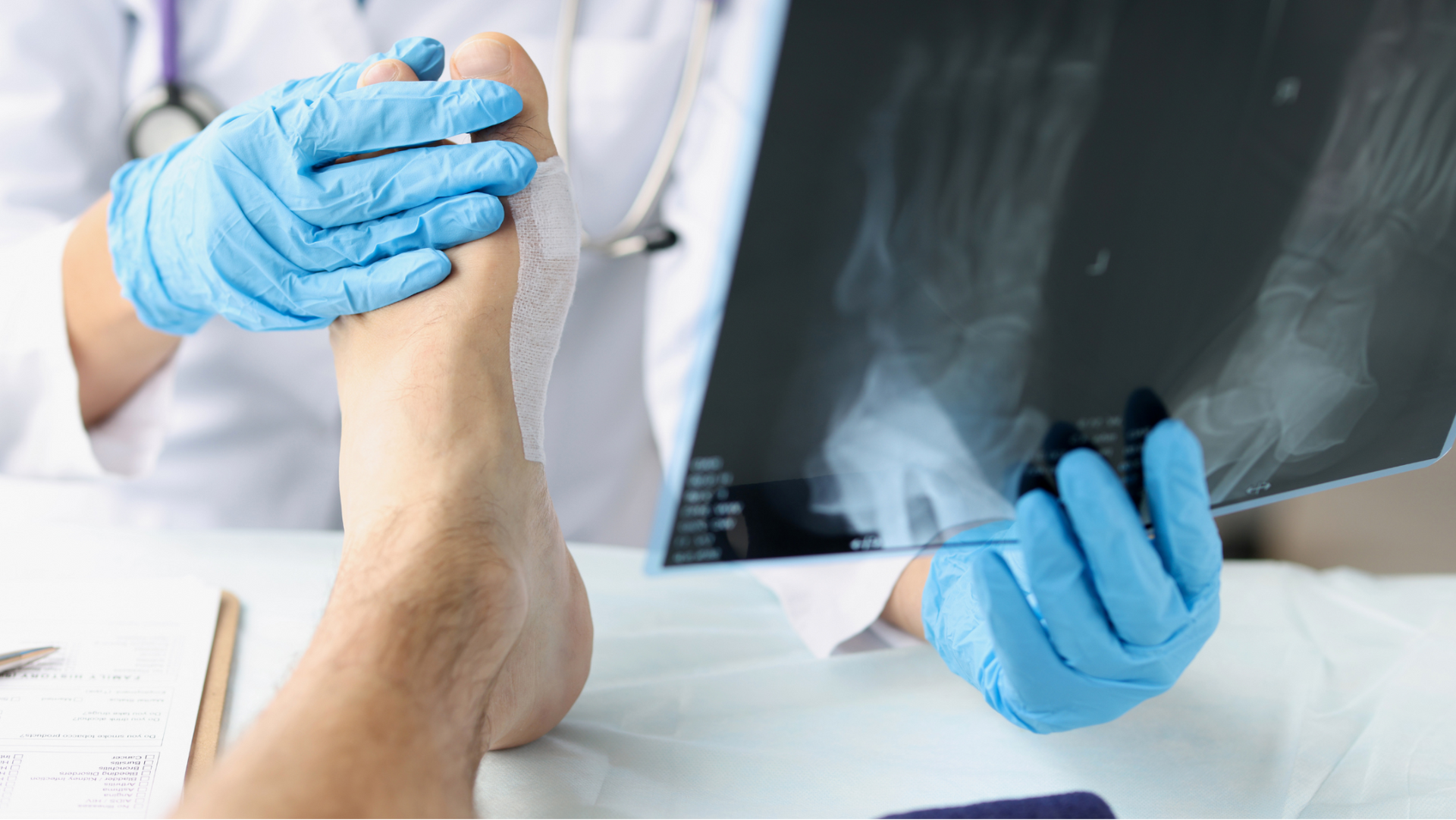
Sports medicine in podiatry evaluation for foot and ankle recovery

What Does Sports Medicine in Podiatry Treat?

Sports medicine in podiatry focuses on conditions affecting the feet, ankles, tendons, ligaments, bones, and lower-leg mechanics. Although treatment is often associated with competitive athletes, it can help anyone who experiences pain or injury while running, walking, working out, or staying active.

Common concerns include:

  • Ankle sprains and foot fractures
  • Tendon and ligament injuries
  • Plantar fasciitis and heel pain
  • Stress fractures from repetitive activity
  • Achilles tendon pain
  • Shin and forefoot discomfort
  • Recurrent injuries caused by alignment or footwear

Podiatrists evaluate how the entire lower extremity functions during movement. That broader view can reveal why an injury happened—not just where it hurts. Harrisburg Foot & Ankle Center provides Sports Medicine & Injury Treatment for patients who want to move comfortably and confidently.

Why Should You See a Podiatrist for a Sports Injury?

A sports-focused podiatrist understands the complex relationship between structure, movement, training, footwear, and recovery. The foot and ankle absorb significant forces during running and jumping, so a small imbalance can affect the knees, hips, or back.

A podiatric evaluation may help you:

  • Confirm whether pain involves a sprain, fracture, tendon, or joint
  • Determine whether an injury is acute or caused by overuse
  • Identify gait, alignment, or footwear factors
  • Choose appropriate treatment instead of guessing
  • Reduce the chance of reinjury during a return to activity

Prompt assessment is especially important when pain persists, swelling increases, walking becomes difficult, or symptoms return each time you exercise.

How Is a Foot or Ankle Sports Injury Diagnosed?

Diagnosis begins with a discussion of your symptoms, training routine, previous injuries, work demands, and goals. The provider then examines the painful area and observes movement, balance, strength, range of motion, and walking mechanics.

Depending on the injury, evaluation may include:

  1. A physical examination of the foot, ankle, and lower leg.
  2. Movement or gait assessment to identify mechanical stress.
  3. X-rays or other imaging when a fracture or structural issue is suspected.
  4. Review of shoes, orthotics, surfaces, and recent changes in activity.
  5. A discussion of realistic recovery goals and treatment options.

Diagnostic Imaging & In-Office Technology can support a more precise diagnosis and help guide the next step. Accurate information matters because treating a tendon injury like a simple bruise—or returning to sports with an undetected fracture—can prolong recovery.

What Treatments Help You Recover?

Treatment depends on the injury, its severity, your health, and the activities you want to resume. Many sports injuries improve with conservative care, while more complex problems may require advanced treatment or surgery.

A personalized plan may include:

  • Activity modification, rest, ice, compression, or elevation
  • Bracing, taping, or supportive footwear
  • Medication recommendations when appropriate
  • Physical therapy, stretching, and strengthening exercises
  • Custom orthotics to improve pressure distribution and mechanics
  • Shock wave therapy or other targeted options
  • Follow-up visits to monitor progress
  • Surgery when significant damage cannot heal adequately without it

Custom devices may be useful when foot structure, overpronation, flat feet, or uneven pressure contributes to injury. Learn more about Custom Orthotics & Biomechanical Evaluations .

Restoring Strength and Mobility

Recovery is not only about making pain disappear. The goal is to restore function so the foot and ankle can tolerate normal daily demands and athletic activity. Rehabilitation may gradually improve flexibility, balance, strength, coordination, and load tolerance.

Your provider may recommend beginning with low-impact movement and progressing carefully. Returning too quickly can cause pain to recur, especially when swelling or weakness remains. A gradual plan gives tissues time to adapt while helping you rebuild confidence.

Active adult completing a guided ankle rehabilitation exercise

How Long Does Sports Injury Recovery Take?

Recovery time varies widely. A mild sprain may improve within several weeks, while a stress fracture, tendon injury, or surgical recovery can require substantially longer. The timeline depends on the tissue involved, injury severity, treatment consistency, general health, and the demands of your activity.

Pain level alone does not determine readiness. You may need to demonstrate comfortable walking, adequate strength, full or near-full motion, and the ability to perform activity-specific movements without worsening symptoms.

Ask your podiatrist for clear milestones rather than relying on a calendar. A monitored progression can reduce setbacks and make your return to exercise more predictable.

When Can You Return to Exercise or Sports?

Return to activity should be gradual and based on function. In general, you may progress from daily walking to low-impact exercise, then to sport-specific drills, and finally to full participation when your provider confirms that your body is ready.

Before returning, consider whether you can:

  • Walk without a limp or significant pain
  • Move the ankle and foot comfortably
  • Complete strengthening and balance exercises
  • Perform controlled hops, cuts, or changes of direction when appropriate
  • Finish activity without increased pain or swelling later that day or the next morning

A sports medicine podiatrist can adjust the plan to match your sport, job, schedule, and goals. This is particularly valuable for runners, court-sport athletes, dancers, hikers, and active adults who repeat the same high-impact movements.

How Can You Prevent Another Foot or Ankle Injury?

Prevention begins by addressing the reason an injury occurred. Helpful habits include increasing training volume gradually, warming up, strengthening the lower leg, replacing worn shoes, and allowing recovery between demanding sessions.

You can also:

  • Avoid sudden changes in distance, speed, hills, or intensity
  • Use activity-appropriate footwear
  • Pay attention to early pain instead of training through it
  • Improve balance and flexibility consistently
  • Follow prescribed exercises after symptoms improve

If recurring pain relates to foot structure or biomechanics, evaluation and orthotic support may reduce stress during movement. Prevention is most effective when it fits your actual routine rather than requiring unrealistic changes.

Common Questions About Podiatric Sports Medicine

Is podiatric sports medicine only for professional athletes?

No. It is appropriate for recreational athletes, active adults, workers, and anyone whose foot or ankle problem limits movement. Care is tailored to the individual’s goals, whether that means returning to a team, walking comfortably, or exercising without repeated pain.

Should I see a podiatrist for an ankle sprain?

Consider an evaluation if you cannot bear weight, swelling or bruising is significant, pain persists, the ankle feels unstable, or symptoms return when activity resumes. An examination can help determine whether the injury is more serious than a mild sprain.

Can orthotics help with sports injuries?

They may help when alignment, pressure distribution, or foot mechanics contributes to symptoms. Orthotics are not necessary for every injury, so a professional evaluation should determine whether they are appropriate and how they should be designed.

When is surgery considered?

Surgery may be considered when there is severe structural damage, a displaced fracture, persistent instability, or symptoms that do not improve with appropriate conservative care. Your podiatrist can explain the benefits, risks, alternatives, and expected recovery.

Key Takeaways for a Safer Recovery

Sports medicine in podiatry combines diagnosis, targeted treatment, rehabilitation, and injury prevention for people with active lifestyles. It can help identify the source of foot or ankle pain and provide a realistic path back to movement.

  • Seek evaluation when pain persists, worsens, or limits activity.
  • Follow a recovery plan based on function—not pain alone.
  • Use footwear, exercises, and orthotics when clinically appropriate.
  • Increase activity gradually and watch for returning symptoms.
  • Schedule an assessment with Harrisburg Foot & Ankle Center to discuss your injury and goals.

The right next step depends on your symptoms, injury history, and desired activity level. Professional guidance can help you recover safely and stay active with greater confidence.

Custom orthotic insert being held by a podiatrist
July 21, 2026
Discover the major benefits of custom orthotics for foot pain, posture, and injury prevention in this 2026 guide by Harrisburg Foot & Ankle Center.
Stylish summer sandals on a sunny deck.
June 18, 2026
Discover 7 essential summer foot care tips to keep your feet healthy and pain-free during the hot weather. Expert advice from Harrisburg Foot & Ankle Center.

By VIV Builder • April 9, 2026
Keep your feet healthy and pain-free this Foot Health Awareness Month. Learn about heel pain, orthotics, diabetic care, and injury treatment to stay active.

By VIV Builder • March 17, 2026
Achilles tendonitis can cause heel pain and stiffness that worsens over time. Learn the symptoms, causes, and how podiatry care can help you recover and stay active.

By VIV Builder • March 1, 2026
Ingrown toenails can quickly become painful if left untreated. Learn causes, symptoms, and how podiatry care can provide safe, effective relief and prevention.
By VIV Builder • February 19, 2026
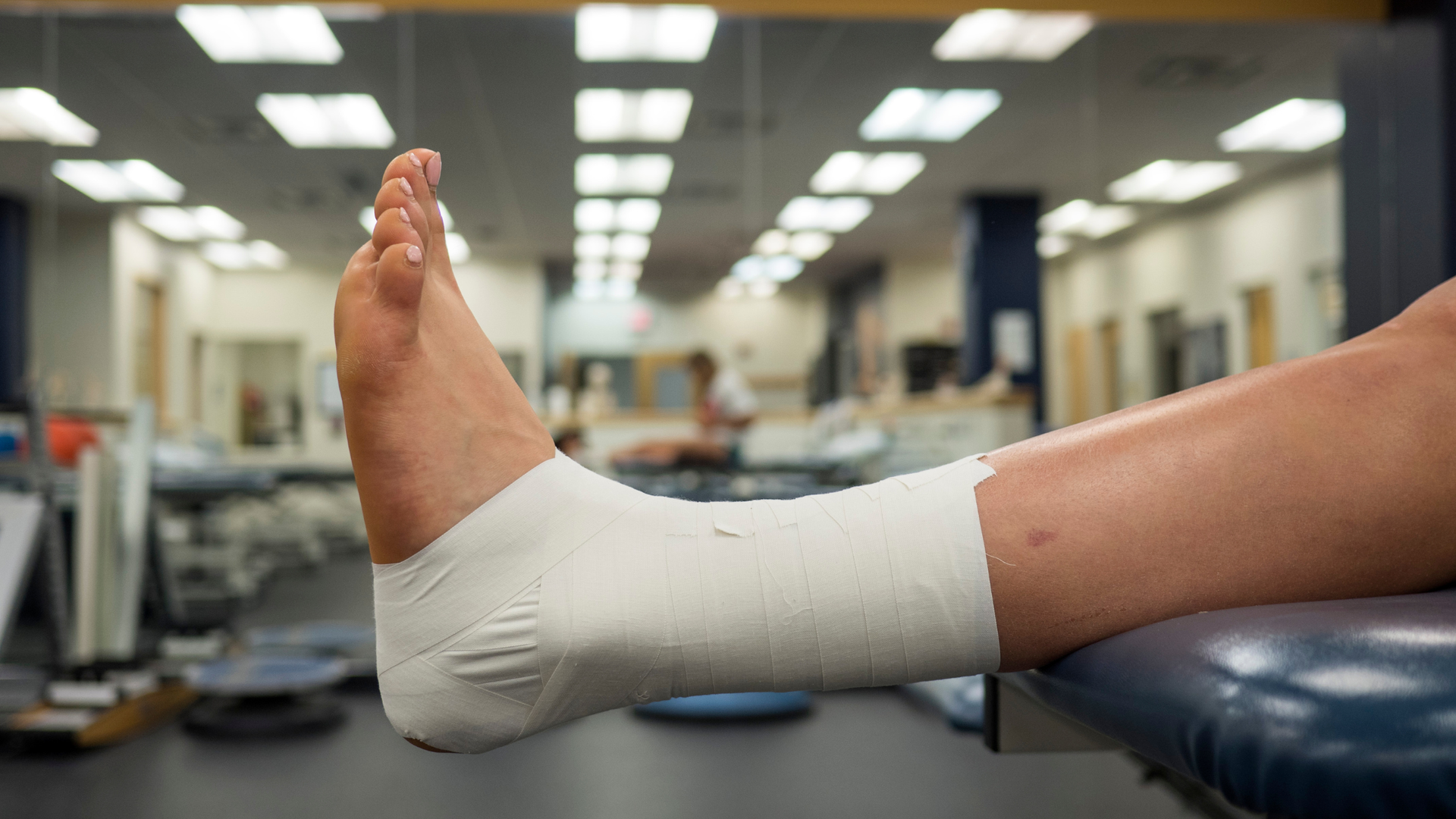
Don’t ignore an ankle sprain. Learn symptoms, causes, and why early treatment is key to preventing long-term pain and instability with expert podiatry care.
By VIV Builder • February 5, 2026
Show your feet some love this February. Learn about common foot problems like heel pain, ingrown toenails, and diabetic foot care, and how podiatry treatment can help.
By VIV Builder • January 23, 2026
Learn what a podiatrist does and how they can help treat foot and ankle conditions. Discover when to seek care and how to stay active, pain-free, and healthy.

By VIV Builder • January 9, 2026
Start the new year pain-free by addressing heel pain early. Learn common causes like plantar fasciitis and how podiatry care can help you stay active and comfortable.

By VIV Builder • December 18, 2025
Start 2026 on the right foot with expert podiatry care. Learn how to prevent foot pain, improve mobility, and stay active with comprehensive exams and treatment options.

Show More